 DS Cohen & Associates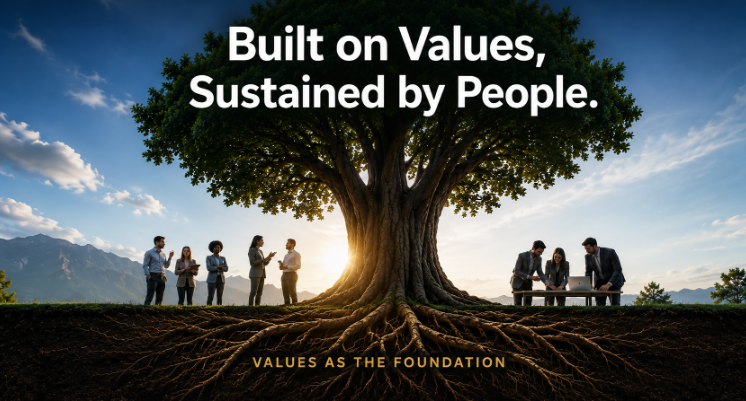
In Part One, I argued that culture is what people learn by watching what happens around them. In Part Two, I put forward the idea that culture cannot be changed simply because a board hires a new CEO or a consultant arrives with a transformation plan. That raises a larger question. If culture cannot be installed by declaration and cannot be repaired by programme, why do some organizations preserve their character for generations while others lose themselves the moment the founder leaves?
The Standard Answer
What determines culture? The usual answer is structure. For years, it is the answer most have given.
Bosch is protected through foundation ownership. Tata operates through the Tata Trusts. Boehringer Ingelheim has resisted public markets across six generations of family leadership. Toyota embedded its philosophy directly into the way work is done. In each case, the structure shields the company from short-term pressures that would otherwise wear the culture down.
The argument sounds convincing. Structure protects culture. Without protection, culture drifts.
But Then You Look Closer
But the closer you look, the less complete that explanation becomes.
Not every foundation-owned company develops a remarkable culture. Not every family business becomes a lasting institution. Some inherit wealth and squander it within a generation or two. Historically, generation three is when the family exits the company, changing everything. Some create elaborate systems that produce nothing distinctive at all.
What separates enduring organizations is not simply the structure. It is what the structure was built to protect.
Robert Bosch did not wake up one morning and invent a foundation. He created an approach based on strong commitments to people, technology, and long-term vision before any legal structure was in place. During the darkest years of the 1930s, he used company resources to help Jewish employees escape Germany. The structure came later. The values came first.
Tata Trusts represent Jamsetji Tata’s conviction that business has a responsibility to society. Each generation has safeguarded this principle, not just a financial structure.
Michelin developed its culture before formalizing it with structure, emphasizing engineering excellence, patience, employees and community responsibility. These values continue to influence the company today.
Toyota’s production system is renowned globally, but its foundation lies in the Toyota Way, which values craftsmanship, quality, and worker dignity. These principles originate from longstanding beliefs about proper work practices, not from modern management seminars.
In each of these organizations, there is something beneath the surface. The structure protects something already alive.
What the Foundation Actually Is
Complexity science helps explain why. Adaptive systems develop identity through daily interactions grounded in shared values. These values, which are deeply held and emotionally resonant, enable organizations to renew themselves and withstand cultural shifts. Without them, only organizational structure remains. Cultures endure when employees strengthen them through their routines and choices; if this doesn’t happen, cultures tend to diminish under stress.
The foundation is not ownership. It is values genuinely lived.
The founders genuinely embraced this set of values, which they embodied in their own behaviours, demonstrating them through their actions and teaching by example instead of relying on catchy slogans. Unlike the refined values statement seen in a lobby or online, these values are evident in the choice to make tough decisions that uphold the values, even if taking an easier route might bring quicker profits or more comfort.
In my book, Inside the Box, I explained that the values inside the ‘box’ are the critical principles an organization won’t compromise. These guide behaviour under pressure. While structures like trusts or foundations help maintain discipline across generations, they do not establish it initially.
That distinction matters.
The Real Work of Leadership
If this analysis is accurate, establishing a sustainable organizational culture requires more than simply developing an effective governance structure. While structure is important, it plays a supporting role. The primary challenge involves leaders articulating their values with clarity and consistently making decisions that align with those principles, even when doing so is costly. Leaders should recognise and reward individuals who contribute positively to the culture and hold individuals accountable and refrain from incentivising actions that undermine it.
Most importantly, they must choose successors who see themselves not as celebrities passing through, but as stewards of something larger than their own tenure.
The structure is protection. The values are the cornerstone.
And the cornerstone determines whether there is anything worth protecting at all.
A leader who understands this is not building a culture designed merely to work during their years in office. They are building one capable of carrying forward with quiet consistency long after they are gone.
And that points us toward the question Part Four takes up. If the foundation is values lived in daily practice, then what employees experience at work, and who a company chooses to bring into that system, are where the culture finally holds or quietly fails.
David S. Cohen is the author of “Selecting the Best: Fostering a Workplace Driven by Values for Lasting Success,” amplifies each of the points of this article using a combination of research and anecdotal stories. The appendix contains sample behavioural interview questions. Selecting the Best is available on Amazon and other online book sellers.
