 DS Cohen & Associates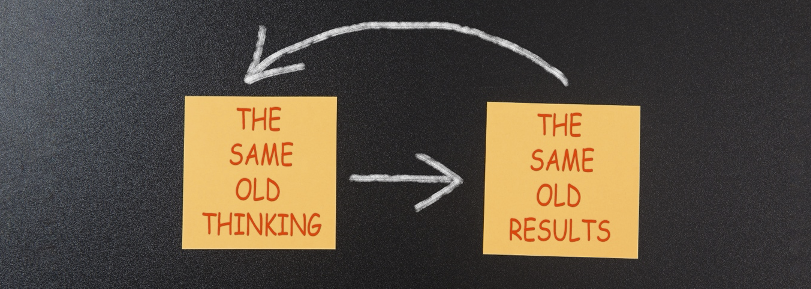
2026 and the great HR pile up
It is that time of year again. The calendar flips, the webinars multiply like rabbits, and the trend reports arrive in your inbox, promising to have identified the key Human Resources issue for 2026. Will this year be different from all other years?
Last year, I wrote When Will They Ever Learn? because the “so-called” HR priorities sounded increasingly like a cover band playing the same old song. Employee engagement. Recruiting and retention. Learning and development. A weak leadership pipeline. Diversity, now relabelled as inclusion. Technology is now laser-focused on AI.
In 2026, something genuinely new is happening. The list did not change. The list exploded. Not because the old issues went away, but because the world of work added fresh layers of complexity that HR can no longer politely ignore.
So, let’s look at what’s truly new, why old priorities keep resurfacing, and what we must actually do differently in 2026 to turn lists into results instead of next year’s regrets.
The old list is still here; it just got crowded
The familiar priorities are not disappearing just because they are not one-time problems. Engagement and productivity keep resurfacing, now dressed up as employee experience and EVP. Recruitment and retention never left. DEI continues to evolve in both language and expectations, creating a minefield for some executives. Learning and development keeps chasing shifting skill demands. Technology change has been on the list for decades, and AI is simply the latest and most powerful wave.
Here is the uncomfortable yet necessary truth: the current system, designed to address the same issues year after year, is not being run with sufficient discipline, focus, or follow-through.
What is genuinely new in 2026
AI has moved from curiosity to necessity, and in 2026, it is shifting again. It is beginning to act, plan, and adapt with minimal human oversight.
When AI begins influencing decisions on hiring, promotion, assignments, and discipline, the stakes change quickly. Risk sits alongside opportunity. This forces a new partnership between HR and IT. Not a polite monthly meeting but a real, shared governance model in which HR drives adoption and responsible use, and IT ensures integration, security, and reliability. Together, they can build an ecosystem, not just buy the software and click a button.
For HR, the practical test is simple: if a candidate is screened out, “the system said so” is not an acceptable explanation. HR must be able to interpret what the algorithm evaluated and how bias is monitored. If you cannot explain it, you cannot defend it.
AI screening overlooks qualified candidates. In a competitive labour market, precision matters. Organizations need to return to disciplined, structured behavioural selection practices and ensure their AI tools support that discipline rather than undermine it.
AI coaching and real-time feedback tools are gaining popularity because annual reviews cannot keep pace with workloads. But performance is personal. If AI flattens nuance or repeats generic feedback, it can dilute accountability and the human element that drives real results.
AI is reshaping the infrastructure of work. And because it affects people, it requires leadership across the entire C-suite, not just HR and IT.
Workforce fragmentation and a reshaped employment deal
Another major 2026 theme is workforce fragmentation. Many organizations are moving from one-size-fits-all talent models to project-based, outcome-driven structures. That shift is reshaping workforce planning, performance expectations, and the employer-employee relationship.
Leaders need to acknowledge the economic reality many employees face, which often conflicts with the corporate narrative.
Conclusion: stop collecting lists, start building systems
Here is the question again, with greater urgency: will we keep analyzing or build systems and celebrate successes?
My call to action is simple, and it begins this month.
1. Convene the full C-suite for a working session. Not a presentation. A working session to define your talent philosophy and ensure it aligns with your values.
2. Choose five people-based outcomes that matter to your strategy and values. Assign owners and schedule monthly inspections.
3. Inventory every AI tool that touches talent decisions and establish governance around it before regulators or reputational damage do it for you.
4. Recommit to structured behavioural selection so you can hire for both fit with your values and performance, not for keywords.
5. Protect leadership development time on calendars the way you protect financial reviews. If it moves, it is not protected.
If we do that, 2026 can be different. If not, we will be right back here next year, reading a new report and hearing Yogi Berra in the background, reminding us it feels like déjà vu all over again. If not now, when?
David S. Cohen is the author of “Selecting the Best: Fostering a Workplace Driven by Values for Lasting Success,” amplifies each of the points of this article using a combination of research and anecdotal stories. The appendix contains sample behavioural interview questions. Selecting the Best is available on Amazon and other online book sellers.
